
Electrical Compliance in France: What Homeowners in the Côte d’Azur Must Know

Owning a property in the Côte d’Azur or in cities such as Nice and Monaco is a long-term investment, but it also comes with regulatory responsibilities—particularly when it comes to electrical installations.
Electrical compliance in France is not just a technical requirement; it is closely tied to safety, insurance validity, and property resale. Whether you are renovating a villa, purchasing an older apartment, or upgrading systems, understanding the fundamentals of French electrical standards is essential.
This guide outlines what homeowners need to know about compliance, how regulations apply in practice, and where issues commonly arise in Riviera properties.
Understanding Electrical Compliance in France
In France, residential electrical installations must comply with the standard known as NF C 15-100. This is the primary regulation governing low-voltage electrical systems in homes.
The standard covers:
Circuit protection and distribution
Earthing and grounding systems
Number and placement of sockets
Safety devices such as residual current devices (RCDs)
Bathroom and outdoor electrical zones
Load capacity and circuit separation
While not always legally required for existing homes, NF C 15-100 becomes critical in cases of:
New builds
Major renovations
Electrical upgrades or partial rewiring
Property sales (via diagnostic reports)
The Electrical Diagnostic (Diagnostic Électrique)
When selling a property older than 15 years, French law requires an electrical diagnostic to assess safety risks.
This inspection evaluates:
Presence of outdated or hazardous wiring
Proper grounding (earthing)
Functionality of protective devices
Compliance with key safety zones
Risks of electric shock or fire
The goal is not to enforce full compliance, but to highlight potential dangers. However, significant issues identified during the diagnostic can affect negotiations or prompt required upgrades before sale.
Common Non-Compliant Issues in Riviera Properties
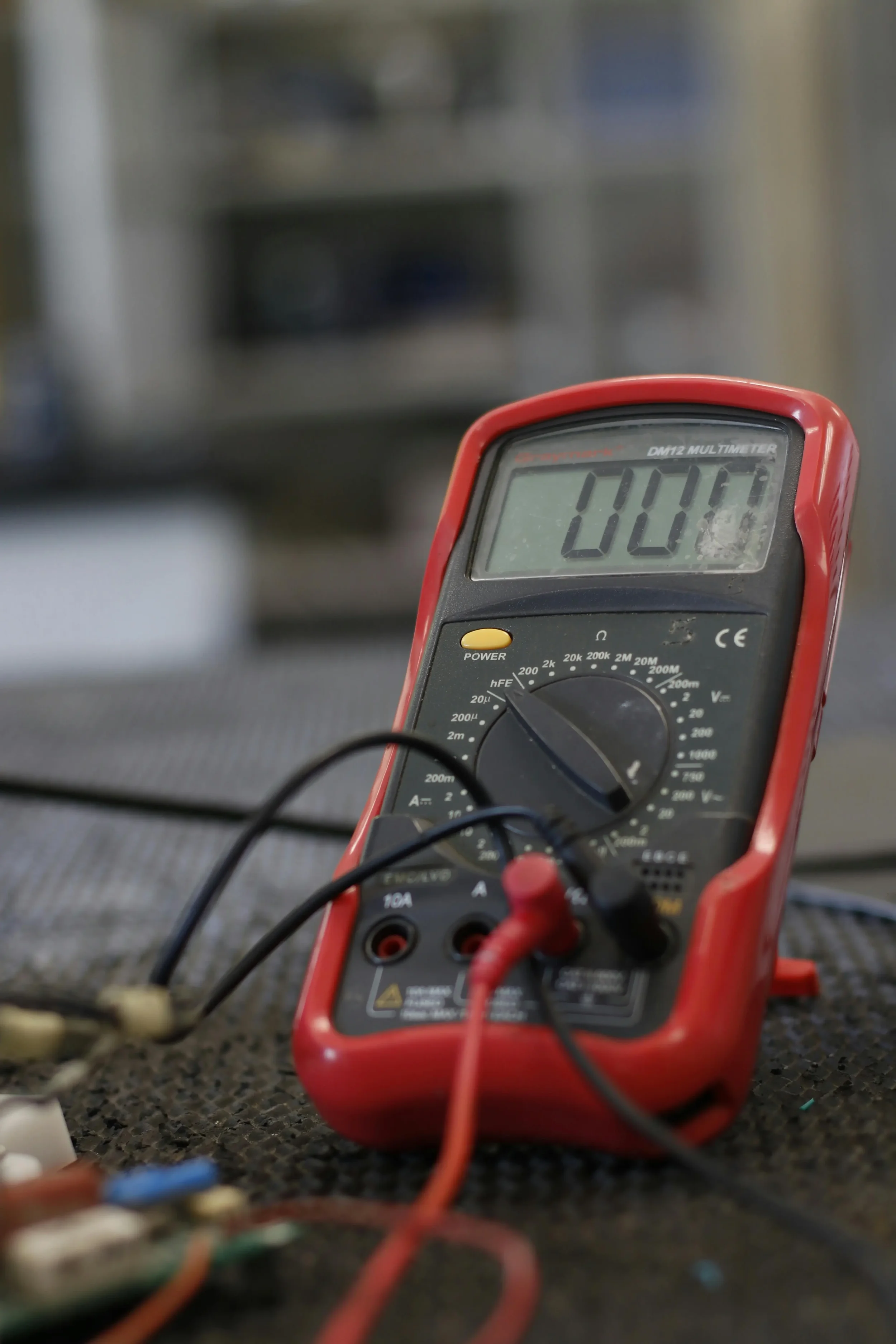
Older properties across the Côte d’Azur—particularly villas and apartments built before the 1990s—often present recurring compliance challenges:
1. Lack of Proper Earthing
Many older installations do not include a sufficient grounding system, increasing the risk of electric shock.
2. Outdated Distribution Boards
Fuse-based panels are still found in some properties, rather than modern circuit breakers with RCD protection.
3. Insufficient Circuit Separation
Modern standards require separate circuits for:
Lighting
Sockets
High-power appliances (oven, washing machine, etc.)
Older systems often combine multiple uses on a single circuit.
4. Bathroom Safety Issues
Electrical installations in wet areas must respect strict zoning rules. Non-compliant fixtures in bathrooms remain a common issue.
5. Overloaded Systems
With increased reliance on air conditioning, EV chargers, and smart devices, older systems may no longer support current electrical loads.
Renovations and Compliance: What Triggers Upgrades?
Electrical upgrades are typically required when:
Renovating kitchens or bathrooms
Installing air conditioning systems
Adding EV charging points
Converting or extending жилable space
Upgrading heating systems
In these cases, partial or full rewiring may be necessary to bring the property in line with NF C 15-100.
Insurance and Legal Implications
Electrical compliance is closely linked to insurance coverage in France.
If an electrical fault leads to damage or injury, insurers may request evidence that installations meet current safety expectations. While older installations are not automatically invalid, clearly non-compliant or hazardous systems can complicate claims.
Maintaining up-to-date electrical systems helps:
Reduce risk of incidents
Support insurance validity
Protect long-term property value
Why Compliance Matters for Riviera Properties
Properties in regions such as Nice and Monaco often serve as:
Primary residences
Secondary homes
Rental or investment properties
In each case, compliance plays a different role:
For primary residences: safety and reliability are the priority
For secondary homes: remote monitoring and system stability are key
For rental properties: compliance is essential for legal operation and tenant safety
Given the international nature of the Riviera market, many buyers also expect modern, compliant electrical systems as part of a high-quality property.
Working with a Certified Electrician
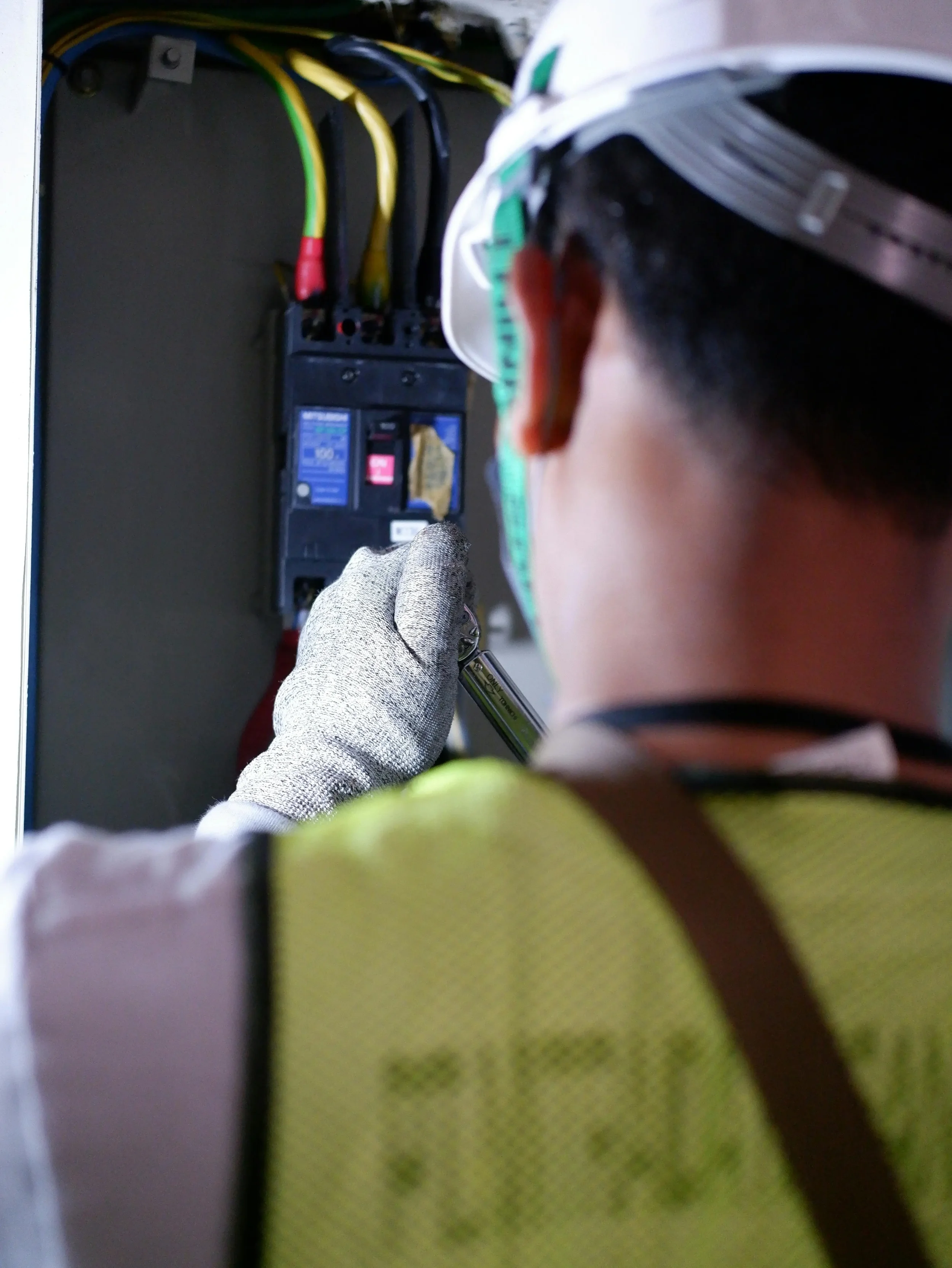
Ensuring compliance requires working with a qualified professional familiar with French standards.
A certified electrician should:
Be registered with a recognised trade body
Work in accordance with NF C 15-100
Provide a detailed assessment or “devis” before work begins
Carry appropriate insurance coverage
Be able to explain findings clearly in both technical and practical terms
For international homeowners, bilingual communication can be particularly helpful when navigating regulations and technical documentation.
Electrical compliance in France is not simply a bureaucratic requirement—it is a practical framework designed to ensure safety, reliability, and long-term performance of residential properties.
In regions like the Côte d’Azur, where properties range from historic apartments to modern villas, understanding and maintaining compliance is particularly important. Whether buying, renovating, or upgrading, aligning your electrical installation with current standards helps protect both your investment and your peace of mind.