
Old vs New Properties in France: What Changes Electrically?
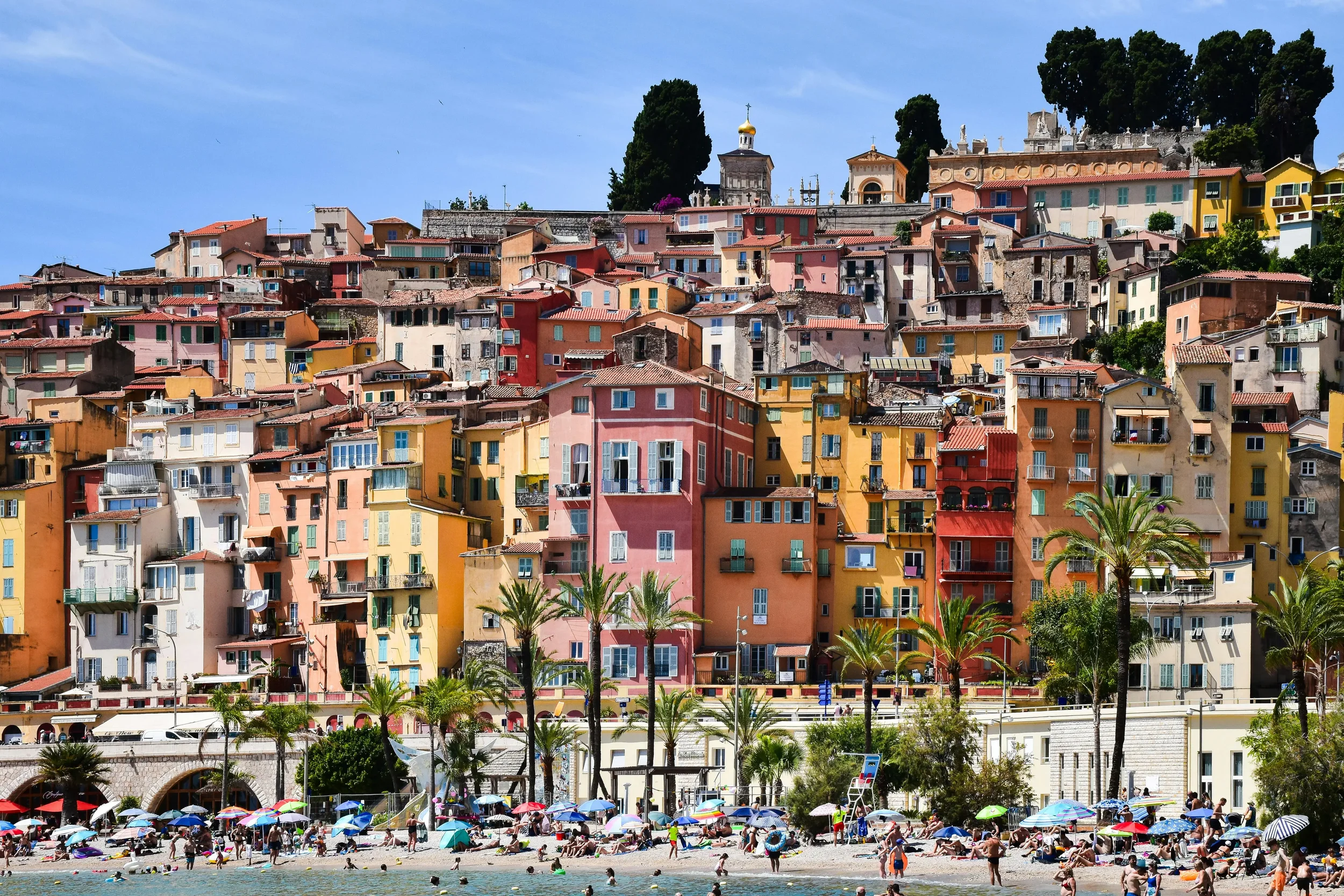
Buying or renovating a property in France often involves a choice between older homes full of character and newer builds designed for modern living. On the Côte d’Azur in particular, it is common to find historic villas, 20th-century apartments, and contemporary developments all within the same area. While both can be exceptional homes, the electrical systems behind them are often very different.
Understanding these differences is essential, not only for safety, but also for comfort, functionality, and long-term planning.
The Evolution of Electrical Standards in France
Electrical installations in France are governed by the NF C 15-100 standard, which has evolved significantly over time. While the modern framework was established in the early 2000s and has continued to be updated since, many older properties pre-date these requirements entirely.
This means that homes built before the 1980s or 1990s were not designed with today’s electrical demand in mind. At that time, households had far fewer appliances, no home automation, and limited reliance on high-load systems such as air conditioning or heated pools.
Newer properties, by contrast, are built with these demands already integrated into their design.
Older Properties: Character with Limitations
Older homes in France, particularly on the Côte d’Azur, often come with charm, history, and architectural detail that cannot be replicated. However, their electrical systems frequently reflect a very different era.
Common characteristics include:
Smaller or outdated fuse boards
Limited number of sockets per room
Lack of proper earthing in certain circuits
Mixed or partially updated wiring over time
Insufficient capacity for modern appliances
In many cases, electrical systems in older properties have been modified multiple times by different owners. This can result in a patchwork of upgrades that may function in practice, but do not always meet current safety expectations.
It is also common for older villas or apartments to have been adapted for modern living without a full rewire, particularly in high-demand areas like kitchens and bathrooms. While this may appear sufficient on the surface, it can create limitations when multiple systems are used simultaneously.
New Properties: Built for Modern Living

New-build properties in France are designed with current regulations and lifestyles in mind. This means electrical systems are structured from the outset to support higher energy demand and modern technology.
Key features typically include:
Fully compliant NF C 15-100 installations
Adequate distribution of circuits throughout the home
Integrated safety devices such as RCDs
Sufficient socket placement in every room
Pre-planned capacity for appliances, lighting, and heating systems
In addition, newer properties are often prepared for smart home integration, allowing for lighting control, climate systems, security, and entertainment to be centralised.
From an electrical standpoint, this makes them more predictable, easier to maintain, and generally more cost-efficient in the long term.
Renovation Reality: What Often Needs to Change
When working on older properties, particularly in regions like the Côte d’Azur where many homes date back several decades, electrical upgrades are often one of the first major considerations.
Depending on the condition of the property, this can involve:
Full rewiring of the home
Replacement of the fuse board with a modern consumer unit
Addition of new circuits for kitchens, bathrooms, or outdoor spaces
Upgrading grounding and safety systems
Preparing the property for high-load appliances or air conditioning
In some cases, a property may only require partial upgrades. In others, especially where systems are significantly outdated, a complete overhaul is the most practical and safe solution.
Comfort, Safety, and Everyday Use
Beyond compliance, the most noticeable difference between old and new electrical systems is everyday usability.
In older homes, it is not uncommon for homeowners to rely on extension leads, adaptors, or carefully managed appliance use to avoid overloading circuits. Lighting may be limited, and modern conveniences such as simultaneous air conditioning, induction cooking, and laundry appliances can strain the system.
Newer installations remove these limitations, offering a smoother, more reliable living experience that aligns with how homes are actually used today.
Why the Difference Matters on the Côte d’Azur
The Côte d’Azur presents a unique mix of property styles, from historic villas overlooking the sea to newly built contemporary residences. Many international buyers are attracted to older properties for their character and location, but may not initially consider the electrical implications.
Climate also plays a role. Air conditioning, outdoor lighting, pool systems, and seasonal occupancy patterns all place additional demands on an electrical system. Without proper capacity and planning, these factors can quickly expose weaknesses in older installations.
A Professional Approach to Both Old and New Homes

Working with both historic and modern properties requires a flexible and experienced approach. Older homes demand careful assessment and often creative solutions to integrate modern systems without compromising the building’s character. New properties, while more straightforward, still require precise installation and planning to ensure long-term reliability and adaptability.
JL Electric has experience across this full spectrum of work, from complete rewiring of older villas and châteaux to the installation of systems in newly built properties. This includes ensuring full compliance with French standards, as well as adapting installations to meet the practical needs of international homeowners.
The focus is always the same: creating safe, reliable electrical systems that support the way people actually live, whether in a historic residence or a contemporary home.
Conclusion
The difference between old and new properties in France is not just architectural — it is deeply electrical. While older homes offer charm and uniqueness, they often require significant upgrades to meet modern standards. New properties, by contrast, are built with today’s expectations in mind, offering greater efficiency and ease of use.
For homeowners on the Côte d’Azur, understanding these differences is key to making informed decisions when buying, renovating, or upgrading a property. With the right expertise, even the most historic home can be brought safely and seamlessly into modern living.