
What Happens to a House When Nobody Lives There for Six Months?
A house can look perfectly fine when you leave it.The lights are off, the shutters are closed, the fridge is empty and the last suitcase has been carried to the car. Perhaps you are heading back to London, Stockholm, New York or Paris, leaving your apartment in Nice or your villa in Mougins until the next holiday. Six months later, you return, turn the key and expect everything to be exactly as you left it. Often, it is.
But a property that sits empty for months is not really doing nothing. Electrical systems continue to operate in the background. Refrigerators cycle. Wi-Fi equipment stays powered. Security systems monitor the property. Pool equipment may run according to a schedule. Air conditioning systems can remain on standby. Exterior lighting, pumps, gates, shutters and other equipment may still be connected to the electrical supply.
And when something goes wrong, there may be nobody there to notice.
An empty property can still have a busy electrical system
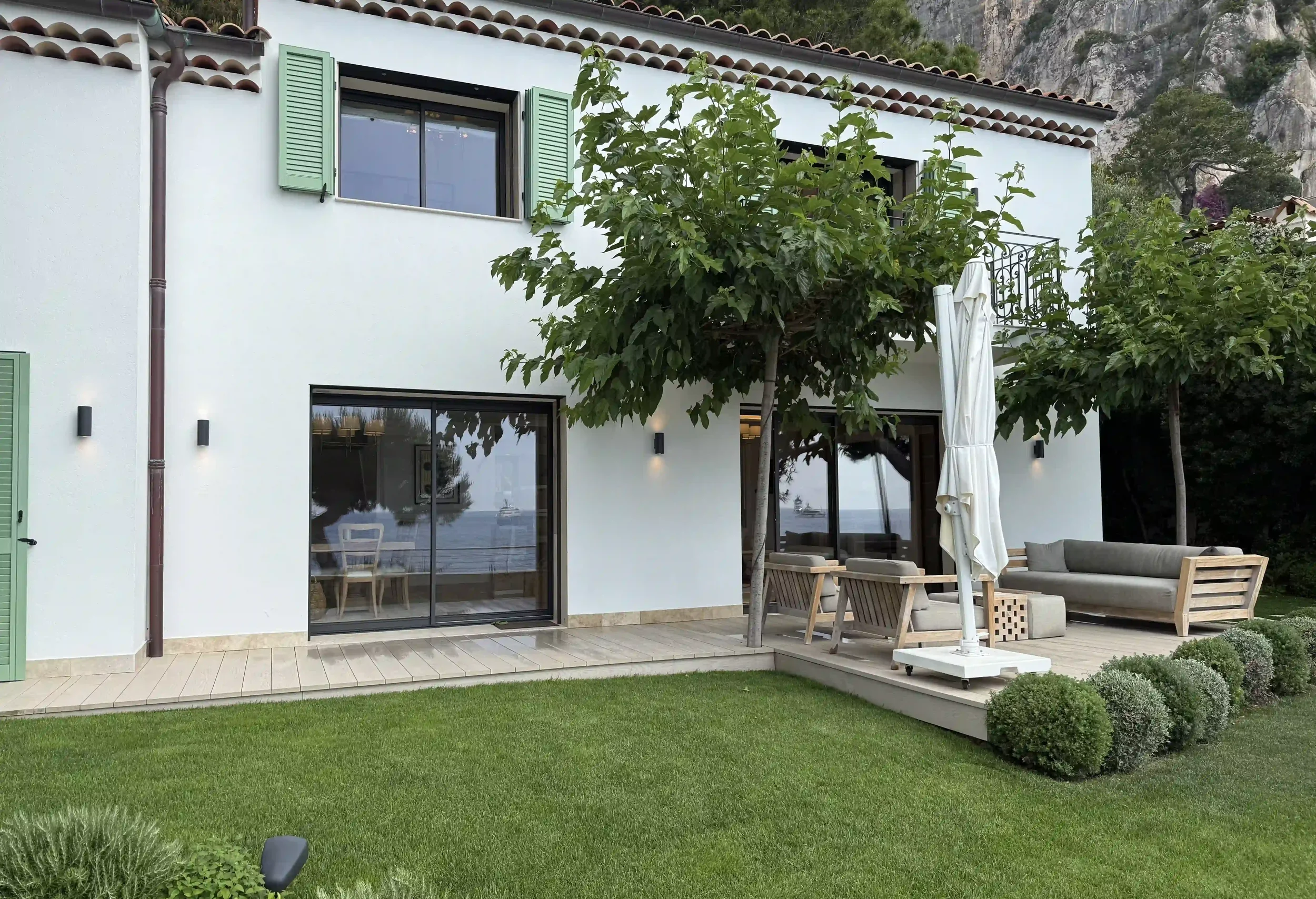
One of the strange things about modern homes is how little of the electrical system actually switches off when you leave. A Riviera property might have dozens of connected devices operating quietly in the background. A swimming pool can have pumps and filtration equipment running automatically. A villa may have electric gates, exterior lighting, alarm systems, cameras, internet equipment and automated shutters.
A second home can therefore have a surprisingly large electrical footprint even when there is nobody inside. The problem is not necessarily the amount of electricity being used. It is what happens when one of these systems develops a fault.
A circuit can trip while the property is empty. A pump can stop working. An electrical connection can deteriorate. An appliance can fail. A small fault can become a much bigger inconvenience when nobody discovers it for several weeks.
This is particularly relevant on the French Riviera, where many properties are used seasonally rather than continuously.
Humidity does not take a holiday
The Mediterranean climate is one of the reasons people buy property on the Côte d’Azur in the first place. It is also something a property has to live with.
Apartments close to the sea in Nice, Villefranche-sur-Mer or Antibes are exposed to salty coastal air and humidity. Villas around Cannes, Mougins and Saint-Jean-Cap-Ferrat can experience significant temperature changes between seasons. Electrical equipment does not particularly enjoy damp conditions.
Moisture can affect connections, outdoor fittings, sockets, lighting equipment and electrical components, particularly where equipment is installed outside or in poorly ventilated areas. Pool rooms, garages, basements, terraces and exterior service areas can all present different challenges. This does not mean that leaving a property empty automatically creates an electrical problem. It means that properties need to be designed, installed and maintained with their environment in mind.
After all, a light fitting beside a swimming pool has a very different life from a ceiling light in a dry bedroom.
The pool is still running
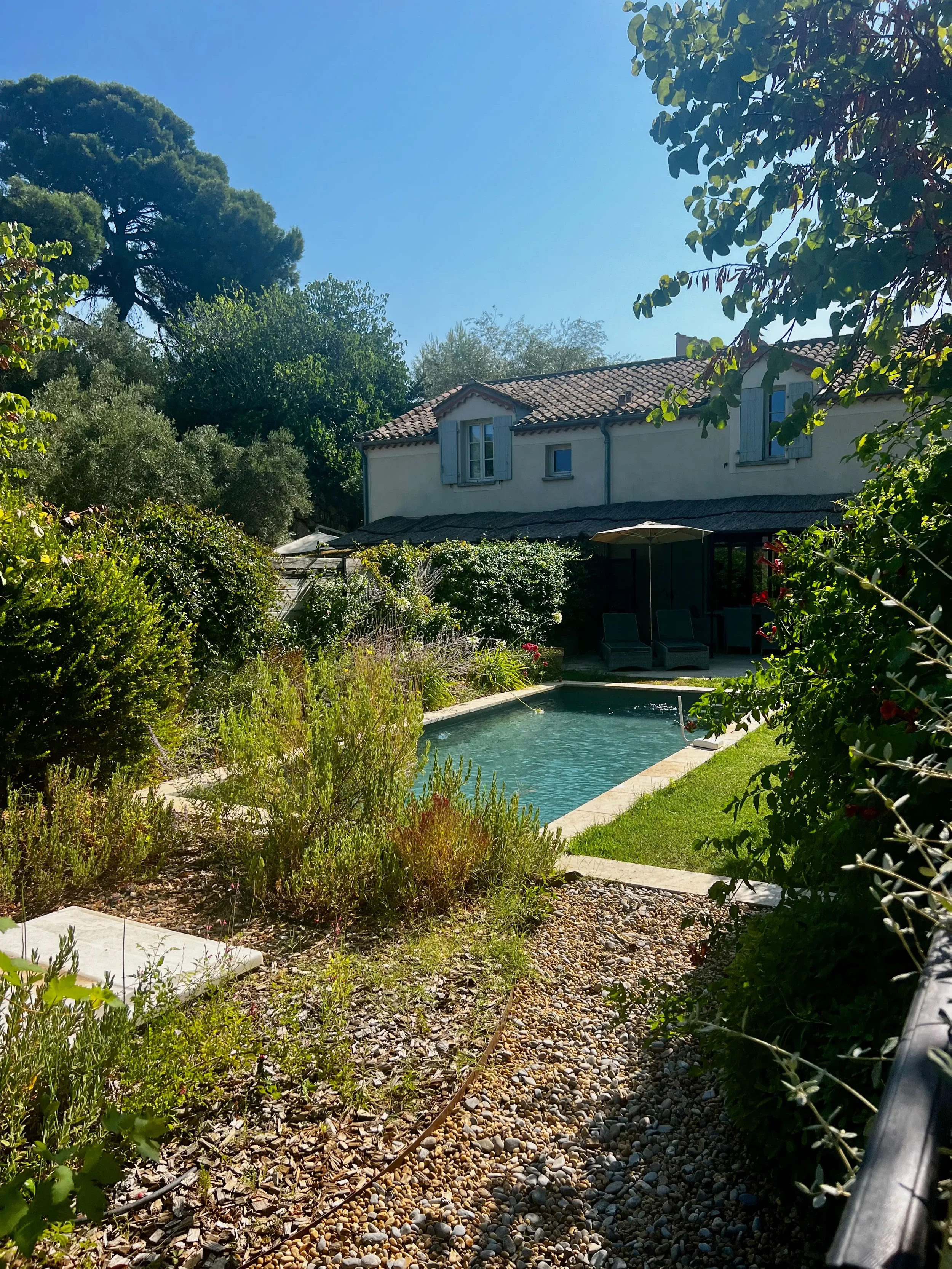
For many Riviera homeowners, the swimming pool is one of the biggest pieces of electrical equipment on the property. Even when nobody is swimming. Filtration, circulation, heating, lighting, covers and other pool equipment can all depend on electrical systems. Some properties also have automated water treatment or monitoring equipment.
If a circuit trips while the owners are away, the pool may not simply carry on as normal. The longer the property remains empty, the more difficult it becomes to know whether everything is working correctly. This is one reason remote monitoring and properly planned maintenance have become increasingly useful for second-home owners. It is much easier to deal with a problem when you know it has happened rather than discovering it six weeks after it started.
Air conditioning can be another hidden concern
Air conditioning is now an important part of life on the Riviera. In a home occupied throughout the summer, a problem with the system is usually obvious within hours. In a holiday property, nobody may notice until the next visit.
Some homeowners leave systems running at low levels while they are away, depending on the property and the equipment. Others switch everything off completely. There is no universal answer because the right approach depends on the building, the equipment, the season and how the property is managed.
What matters electrically is that the system is correctly installed, appropriately protected and checked periodically. An air conditioning fault that appears during an August heatwave is inconvenient.
The same fault developing in an empty property and remaining unnoticed for weeks can become a much bigger issue.
Older Riviera properties need particular attention
The French Riviera has an enormous variety of housing stock. There are contemporary villas with sophisticated home automation alongside Belle Époque apartments, 1960s residences, old village houses and properties that have been renovated several times over several decades.
The electrical installation may therefore tell a completely different story from the interior. A beautifully renovated apartment can still contain older electrical infrastructure behind the walls.
Many pre-1980 properties were designed around significantly lower electrical loads than modern households now demand.
Today's property might have multiple air-conditioning units, induction cooking, ovens, dishwashers, washing machines, dryers, pool equipment, EV charging, lighting systems, home offices, entertainment systems and smart-home technology. The fact that everything works when you leave does not necessarily mean the installation is ideally suited to the way the property is now being used.
Smart homes create a different kind of maintenance
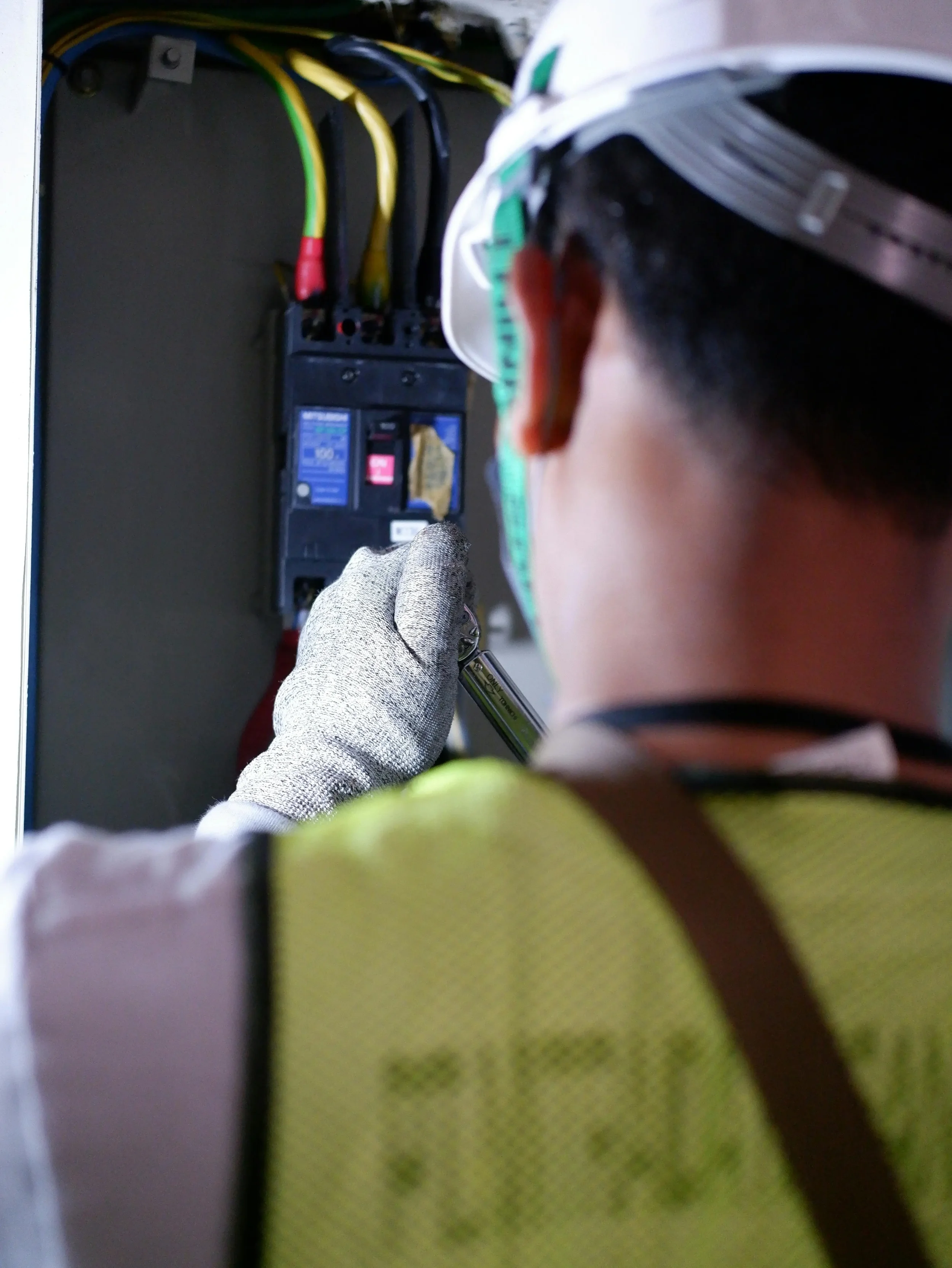
There is also an interesting change happening in second homes. The modern Riviera property is increasingly connected. Owners can control lighting, shutters, heating, cooling, security and sometimes entire scenes remotely. A house can appear occupied even when its owners are hundreds or thousands of kilometres away.
That is incredibly useful. But every connected system is another part of the property that needs to work properly. A smart home is still an electrical installation at its foundation. If the underlying power supply has a problem, the smartest app in the world will not fix it.
Good system design therefore matters just as much as the technology itself.
What happens when you finally come back?
This is where the small problems become obvious. You arrive at your apartment in Nice on a Friday evening. The shutters open, but the exterior lights do not come on.
The internet is down.
The pool pump is not running.
The alarm system needs attention.
A circuit breaker has tripped.
Perhaps nothing is seriously wrong. Perhaps one component has simply failed. But because the property has been empty for six months, it can be difficult to know when the problem began or what caused it.
For owners who use their French property only for part of the year, preventative electrical maintenance can therefore make considerably more sense than waiting for something to fail.
A six-month absence is worth planning for
Before leaving a property empty for an extended period, it is worth thinking about the house as a system rather than simply switching off the lights.
Which electrical equipment needs to remain operational?
Which circuits can safely be isolated?
What happens to the pool?
What happens to the alarm and internet connection?
Are outdoor electrical installations in good condition?
Are there any recurring trips or faults that have been ignored?
Has the property recently been inspected following renovation or major electrical work?
These are not glamorous questions. They are the questions that can save a homeowner from arriving at the start of their holiday to a list of problems.
For British, American and Scandinavian owners with second homes on the French Riviera, particularly those who may only visit several times a year, having someone locally able to check the property can be just as valuable as having a cleaner, gardener or pool technician.
The house may be empty. The electrical system isn't.
A modern property does not really switch off anymore. Even an empty villa in Cannes or a locked-up apartment overlooking the Baie des Anges may have pumps running, security systems monitoring, routers operating, refrigeration cycling and automated equipment following schedules every day.
That is why the electrical side of property management deserves attention even when nobody is living there. JL Electric works across Nice and the wider Côte d’Azur, carrying out electrical maintenance, fault finding, inspections, renovation work and ongoing electrical support for occupied and second-home properties alike.
Because when you only visit your house a few times a year, the most important thing is often knowing that it is quietly working while you are away.